
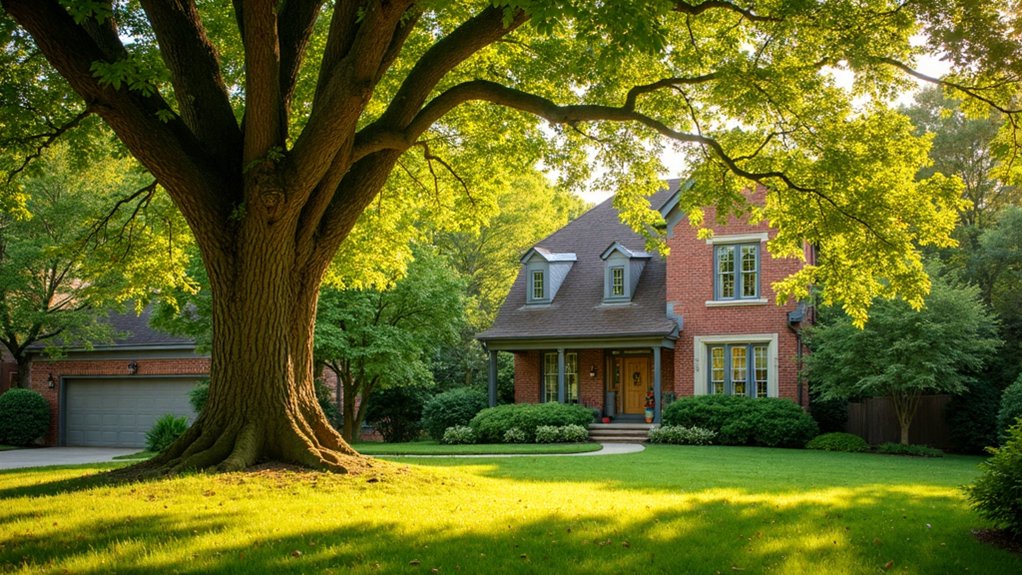
Did you know that Missouri hosts over 150 native tree species, yet most homeowners plant only a handful of non-native varieties on their St. Louis properties? You’re missing out on trees that have adapted to the region’s clay soils, unpredictable weather patterns, and humidity fluctuations over thousands of years. These native species don’t just survive—they thrive with minimal maintenance while providing benefits that imported trees simply can’t match.
Key Takeaways
- Bur oak and sugar maple thrive as large shade trees, handling St. Louis clay soils and temperature extremes exceptionally well.
- Eastern redbud and serviceberry provide stunning spring blooms and compact size perfect for smaller residential properties and landscaping.
- Flowering dogwood and fringe tree offer exceptional ornamental value with dramatic seasonal displays adapted to Missouri’s climate conditions.
- Eastern red cedar and American holly provide year-round privacy screening while tolerating local soil and weather challenges.
- Native species like tulip poplar and pecan trees grow quickly in St. Louis conditions while providing shade and edible benefits.
Understanding St. Louis Growing Conditions for Native Trees
When selecting trees for your St. Louis property, you’ll need to understand the unique growing conditions that make Missouri native species ideal choices. Your location sits at the crossroads of northern and southern climate zones, creating humid summers and cold winters that challenge many non-native trees. The region’s clay soils retain moisture but can become compacted, making well-drained soils essential for healthy root development. Many areas also feature acidic soils that favor native to the Midwest species.
You’ll find that Missouri native trees naturally thrive in these conditions, tolerating both full sun exposure and the temperature extremes. Once established, these drought-tolerant species handle periodic dry spells better than exotic alternatives, requiring less maintenance while providing superior performance in your challenging growing environment.
Large Shade Trees That Thrive in Missouri
Now that you understand Missouri’s growing conditions, you can confidently choose from several magnificent native shade trees that’ll dominate your landscape for generations. Oak trees offer exceptional drought tolerance and create substantial shade canopies, while bur oak specifically handles Missouri’s challenging clay soil with remarkable resilience. Sugar maple provides stunning fall color displays and thrives in full sun to partial shade conditions. For rapid growth, consider tulip poplar—this fast-growing Missouri native adapts to various soil types and reaches impressive heights quickly. Pecan trees deliver both majestic shade and edible nuts, making them practical landscape investments. These large native species establish deep root systems that withstand Missouri’s weather extremes while providing decades of reliable shade and natural beauty for your property.
Ornamental Trees for Seasonal Beauty
Missouri’s native ornamental trees transform your landscape into a living canvas that changes with each season. Serviceberry delivers triple beauty with white flowers in spring, summer berries, and stunning fall color. You’ll love how flowering dogwood creates dramatic spring displays with iconic white bracts, followed by brilliant red foliage in autumn.
For early season impact, plant redbud trees that burst with fuchsia-pink blooms before leaves emerge. Fringe tree adds late-spring interest with fragrant, showy white flower clusters. Pagoda dogwood serves as an exceptional specimen tree with its distinctive layered branching and reddish-purple fall foliage.
These ornamental trees thrive in full sun and well-drained soils, making them perfect choices for your Missouri property’s year-round visual appeal.
Small Native Trees Perfect for Compact Spaces
Limited garden space doesn’t mean you’ll sacrifice the beauty of Missouri’s native trees. These compact natives offer the best seasonal interest while fitting perfectly in smaller yards:
- Serviceberry – Delicate white spring blooms transform into edible berries, followed by brilliant fall color
- Pagoda dogwood – Distinctive layered branches create elegant structure in partial shade areas
- Eastern redbud – Heart-shaped leaves and stunning purple flowers provide good ornamental value
- American fringetree – Fragrant white flower clusters adapt well to various soil conditions
- Downy serviceberry – Multi-stemmed growth offers year-round visual appeal
When planting these right trees, consider their mature size and growing conditions. Most perform well in full sun to partial shade, giving you a full range of options for creating beautiful, compact landscapes.
Evergreen Options for Year-Round Privacy
Whether you’re seeking to block unsightly views or create secluded outdoor spaces, Missouri’s native evergreens deliver reliable, year-round screening that won’t drop leaves when you need privacy most. Eastern White Pine creates dense barriers reaching 80 feet, while Norway Spruce offers fast-growing pyramidal structure up to 100 feet tall. American Arborvitae adapts to various soil types with its columnar form, making it incredibly low maintenance for busy homeowners.
American holly stands out as a broadleaf evergreen option, featuring spiny, glossy leaves that provide reliable privacy while tolerating diverse conditions from well-drained soils in full sun to part shade. Eastern Red Cedar excels in drought conditions and air pollution, offering aromatic foliage with excellent cold hardiness. Each species functions as both privacy screen and shade tree.
Trees That Excel in Clay Soil Conditions
While many homeowners struggle with Missouri’s notorious clay soil, several native species have evolved specifically to handle these dense, water-retentive conditions that challenge most trees.
These resilient natives offer exceptional performance across a wide range of soils, from poorly drained wet soils to challenging clay conditions:
- Bur oak – Maintains its natural form while demonstrating good drought tolerance and remarkable disease resistance in soil in full sun
- Kentucky coffeetree – Grows best in well-drained to moderately wet conditions, adapting beautifully to clay-heavy landscapes
- Sweetgum – Thrives in both rich soil and challenging clay, offering stunning fall color
- River birch – Excels in wet soils while tolerating various moisture levels
- White and red oaks – The straight species provide excellent adaptability to clay-dominant conditions throughout St. Louis properties.
Fast-Growing Native Species for Quick Results
Several Missouri natives deliver impressive growth rates when you need shade, screening, or landscape impact within just a few years rather than decades. Tulip tree offers relatively fast growth, reaching 150 feet in soils in full sun to part shade while providing excellent screening. Eastern redcedar’s fast growth rate makes it perfect for windbreaks, thriving in dark green foliage year-round. Black willow establishes quickly in moist areas, ideal when planting new streambank landscapes. Sweetgum delivers quick shade plus vibrant yellow fall color and red fall color in slightly acidic soil. River birch provides multi-trunk appeal with distinctive peeling bark, growing rapidly to 80 feet. These species eliminate the waiting game typical with slower-growing alternatives.
Professional Planting and Care Considerations
Choosing fast-growing native species represents just the first step in establishing a thriving landscape—proper installation and ongoing care determine whether your Missouri natives reach their full potential. Professional tree services provide expert advice on proper planting trees techniques, ensuring your new trees establish strong root systems. Understanding grow habits and soil preferences helps you select the perfect location for species like saucer magnolia or native oaks.
Consider these essential care practices:
- Schedule regular consultations with professional tree specialists for ongoing maintenance guidance
- Apply proper mulching techniques around the root zone to retain moisture and suppress weeds
- Implement consistent watering schedules during establishment periods and drought conditions
- Prune and trim branches annually to maintain natural forms and prevent storm damage
- Monitor older trees for pest issues and disease symptoms requiring immediate attention
Frequently Asked Questions
What Is the Fastest Growing Native Tree in Missouri?
You’ll find the Eastern Cottonwood is Missouri’s fastest-growing native tree, reaching 6 feet yearly. River birch, black willow, and sycamore also grow quickly at 2-3 feet annually, outpacing slower species like hackberry and black cherry.
Which Tree Is Best to Grow in Front of a House?
You’ll want to select tree placement, mature tree size, and maintenance needs when choosing front yard trees. Serviceberry offers ideal aesthetic appeal with seasonal interest, while crabapples provide excellent house tree options for most soil conditions.
What Trees Are Drought Tolerant in Missouri?
You’ll find excellent drought tolerant Missouri trees including bur oak (drought tolerant oak species), eastern red cedar (drought tolerant evergreen trees), Kentucky coffee tree, black walnut, and sassafras – all drought hardy native Missouri trees perfect for your landscape.
When’s the Best Time to Plant a Tree in Missouri?
Coincidentally, you’re asking during Missouri’s ideal planting season! You’ll find favorable planting conditions from late fall through early spring when trees are dormant. Proper soil preparation guidelines and seasonal considerations guarantee your tree’s root system needs are met successfully.
Conclusion
You’ll find Missouri’s native trees are like loyal friends—they’ll stick with you through scorching summers and brutal winters while demanding little in return. Whether you’re craving towering oaks for shade, delicate redbuds for spring color, or sturdy evergreens for privacy, these homegrown champions won’t let you down. They’ve mastered St. Louis’s clay soil and unpredictable weather, so you can sit back and watch your landscape flourish with minimal fuss.