
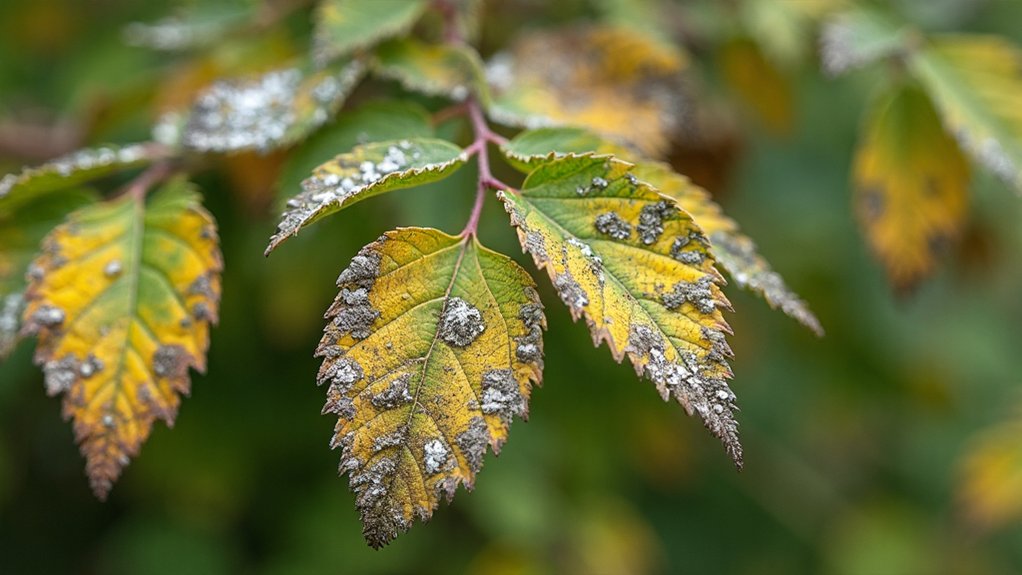
You’ve likely noticed something’s wrong with your shrubs—maybe yellowing leaves, strange spots, or wilting branches that shouldn’t be happening. These warning signs often point to common diseases that can quickly spread throughout your landscape if left untreated. While Florida’s warm, humid climate creates ideal growing conditions for plants, it also provides the perfect environment for fungal and bacterial infections to thrive. Understanding what you’re dealing with makes all the difference in saving your investment.
Key Takeaways
- Powdery mildew appears as white, powdery growth on leaves and stems; treat with fungicides or improved air circulation.
- Leaf scorch causes browning and curling of leaf edges; remedy with consistent soil moisture and proper mulching techniques.
- Anthracnose creates dark, sunken spots on leaves and stems; manage by pruning affected areas and applying fungicides.
- Verticillium wilt leads to wilting, yellowing, and foliage dieback; requires complete removal and destruction of affected plants.
- Root rot causes discolored, mushy roots and stunted growth; treat by improving drainage and avoiding overwatering practices.
Understanding the Impact of Shrub Diseases in Florida’s Climate
When Florida’s warm, humid climate combines with frequent rainfall, it creates a perfect breeding ground for shrub diseases that can devastate your landscape. Your shrubs face constant environmental stressors that weaken their natural defenses, making them vulnerable to fungal disease outbreaks like anthracnose and powdery mildew.
Disease identification becomes critical as symptoms and signs often appear rapidly in these conditions. You’ll notice wilting leaves, discolored foliage, and stunted growth affecting your property’s aesthetic appeal and plant health. The state’s year-round growing season means pathogens remain active longer than in cooler climates.
Without proper plant health care practices, a single shrub disease can spread quickly throughout your landscape, causing expensive damage and requiring extensive treatment to restore your garden’s beauty and essentiality.
Key Symptoms to Watch for When Diagnosing Shrub Health Issues
Early detection starts with recognizing the telltale signs that indicate your shrubs are under attack from disease pathogens. When inspecting for plant disease, you’ll want to examine every part of your shrub systematically. Look for powdery mildew‘s distinctive white coating on infected leaves, stems, and buds. Black spots with yellow halos signal fungal spores causing black spot disease on roses. Bacterial leaf spot creates water-soaked areas that turn necrotic with yellow borders. Anthracnose produces irregular dead patches and causes branch dieback. Don’t forget to check below ground—root rot manifests through wilting, yellowing foliage, and stunted growth above soil level. Conducting thorough inspections of trunk, branches, leaves, and roots helps you identify specific diseases early, enabling targeted treatment approaches that’ll restore your shrub’s health effectively.
Fungal Infections: Anthracnose, Black Spot, and Powdery Mildew
Among the most widespread threats to shrub health, three fungal infections stand out for their ability to weaken and disfigure plants: anthracnose, black spot, and powdery mildew. You’ll recognize anthracnose by irregular dead areas on leaves and twig dieback. Black spot creates distinctive round black spots with yellow halos on rose leaves. Powdery mildew produces white, powdery growth on leaves, stems, and buds.
Early identification of these common diseases determines your treatment plans’ effectiveness. When you spot an infected plant, you’ll need to:
- Remove and destroy all infected plant parts immediately
- Maintain proper air circulation and avoid overhead watering
- Apply targeted fungicides according to label directions
Quick action prevents these fungal infections from spreading throughout your shrub collection and causing permanent damage.
Bacterial Diseases: Fire Blight and Bacterial Leaf Spot
Bacterial infections present a different set of challenges for shrub gardeners, often proving more stubborn than their fungal counterparts. Fire blight, caused by Erwinia amylovora, devastates over 130 Rosaceae family members, turning leaves, stems, and fruits brown to black. You’ll need to prune infected parts during dormant seasons using sterilized pruning tools to prevent spread.
Bacterial leaf spot creates water-soaked spots with yellow halos that become necrotic. Remove infected plant material immediately, though this approach has limited effectiveness compared to fire blight management.
Improving air circulation around your shrubs helps reduce bacterial disease pressure. Clean up fallen leaves regularly and focus on maintaining your plants’ overall health and resilience through proper watering and fertilization. In severe cases, bacterial diseases may threaten the entire plant.
Specialized Disease Threats: Boxwood Blight and Root Rot
While bacterial diseases attack shrubs through wounds and natural openings, certain fungal pathogens target specific plant families with devastating precision. Boxwood blight represents one of today’s most emerging diseases, causing leaf yellowing, lesions, and rapid defoliation that can destroy entire plantings. This specialized threat spreads quickly between boxwoods and requires immediate fungicide intervention.
Root rot presents another serious challenge in shrub care, attacking the root system through waterlogged soil conditions. Phytophthora fungi cause crown decay and stunted growth, eventually killing the infected plant. You’ll need proper drainage and resistant cultivars to prevent these common diseases.
- Early detection by certified arborists is essential for successful treatment outcomes
- Specialized fungicides are required to control boxwood blight effectively
- Preventative soil management stops root rot before it starts
Insect Pests That Compromise Shrub Health
Dozens of insect species target shrubs as their primary food source, creating widespread damage that ranges from cosmetic leaf stippling to complete plant death. You’ll encounter lace bugs feeding on leaf undersides, producing yellow stippling and dark fecal spots that gradually weaken your healthy plant. Borers tunnel into woody plant material, creating sawdust trails while compromising structural integrity. Aphids multiply rapidly, sucking nutrients and severely reducing flower and fruit production in your shrubs. These common pests can destroy entire specimens if left untreated. Root weevils attack underground, feeding nocturnally on root systems and creating irregular leaf appearance with characteristic bite marks along edges. Understanding these diseases and pests helps you maintain ideal shrub health through early identification and targeted treatment approaches.
Effective Treatment Strategies for Common Shrub Ailments
How can you effectively combat the various diseases that threaten your shrubs’ wellbeing? Start by properly identifying the specific Shrub Diseases affecting your ornamental shrubs, as this determines your treatment approach. You’ll need to implement targeted strategies that combine cultural practices with appropriate treatments to maintain your property’s aesthetic appeal.
- Enhance air circulation through strategic pruning and proper plant spacing to prevent moisture buildup
- Apply fungicides or bactericides when necessary for active infections, following integrated pest management principles
- Boost plant vigor with balanced fertilization, proper soil preparation, and consistent watering schedules
Continuous monitoring allows for early intervention against powdery mildew, black spot, and bacterial infections. Many landscape professionals recommend combining preventive measures with disease-resistant varieties. This ideal lawn care approach strengthens your shrubs’ natural defenses while maintaining excellent health.
Preventive Measures to Protect Your Shrubs
Why wait until disease strikes when you can build a fortress of protection around your shrubs from day one? Start by choosing disease-resistant varieties specifically suited for your local climate. You’ll dramatically reduce your shrubs’ vulnerability to common pathogens right from the beginning.
Focus on proper spacing and regular pruning to maximize air circulation and light penetration. These practices prevent the humid, stagnant conditions where fungal infections thrive. Apply organic mulch around your shrubs’ base to suppress weeds while protecting soil health.
Implement balanced fertilization to provide essential nutrients without encouraging excessive growth that attracts diseases. Maintain adequate irrigation practices that keep soil moisture ideal—neither too wet nor too dry. These proactive steps create an environment where your shrubs naturally resist disease.
Professional Care Benefits for Long-Term Shrub Health
While these preventive measures form a solid foundation for shrub health, partnering with certified arborists takes your plant care to the next level. Professional care solutions address the following factors that impact your shrubs’ health and vitality over time.
- Early Disease Detection: Certified arborists identify potential health issues before they become costly problems, protecting your investment in a wide range of shrubs
- Specialized Treatment Programs: Professionals provide targeted treatments that shield your plants from both common and emerging diseases threatening root growth
- Strategic Maintenance Plans: Ongoing professional care strengthens overall resilience, increasing resistance to environmental stressors while enhancing natural beauty
Arborists also mitigate risks and minimize hazards through precise pruning techniques. Their expertise secures safe environments while promoting ideal shrub structure. Review their privacy policy before scheduling consultations.
Frequently Asked Questions
How to Treat Diseased Shrubs?
You’ll need to prune affected areas immediately, then apply fungicides as directed. Improve soil drainage and adjust your watering schedule. Guarantee you’re providing adequate sunlight and consistently monitor plant health for recovery signs.
How Do I Find Out What Disease My Plant Has?
Start with visual inspection of leaves, stems, and roots for symptoms. Take sample photos or plant material. Use online resources for comparison, visit your local nursery, or seek expert consultation through lab analysis for accurate diagnosis.
What Are the 5 Plant Diseases?
While healthy plants thrive, you’ll encounter these five devastating diseases: leaf scorch that browns foliage, root rot destroying underground systems, powdery mildew coating surfaces white, bacterial blight causing spots, and rust diseases creating orange pustules.
What Does Fungus Look Like on Shrubs?
You’ll notice fungal growth patterns as white powdery mildew coating leaves, dark leaf spots with yellow halos, cottony webbing on branches, discolored foliage turning brown, and sunken stem cankers causing dieback on infected shrubs.
Conclusion
You’ve now got the knowledge to tackle common shrub diseases head-on. Remember, an ounce of prevention is worth a pound of cure—regular inspections and proper care will save you countless headaches down the road. Don’t hesitate to act quickly when you spot symptoms, whether it’s applying fungicides, improving drainage, or calling in professionals. Your shrubs will reward your vigilance with healthy, vibrant growth that enhances your landscape’s beauty year-round.