
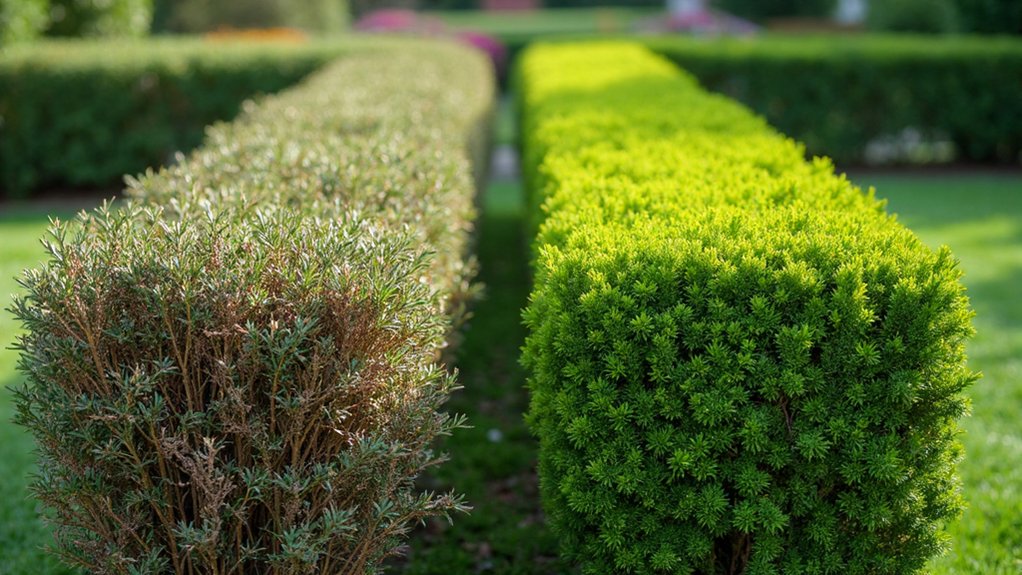
You probably don’t realize that improper shrub pruning can permanently stunt growth and leave your plants vulnerable to disease for years. While trimming a few wayward branches seems straightforward, there’s a fine line between basic maintenance you can tackle yourself and complex care that demands professional expertise. The wrong cut at the wrong time can cost you hundreds in plant replacement, but knowing when to put down those shears isn’t always obvious.
Key Takeaways
- DIY shrub care works for basic maintenance, but risky tasks like removing large shrubs require professional expertise.
- Professional tree care specialists offer comprehensive maintenance plans tailored to your property’s unique long-term health needs.
- DIY approaches risk property damage, personal injury, and lack proper tools for complex pruning and maintenance tasks.
- Professionals provide specialized equipment, optimal pruning techniques, and preventative maintenance to avoid costly future repairs.
- Choose professionals when tasks are complex, risks are high, or long-term shrub health and aesthetics matter.
Understanding Basic Shrub Maintenance Tasks You Can Handle
While professional landscapers bring expertise to complex projects, you can handle many essential shrub maintenance tasks yourself with basic tools and knowledge. Small tasks like watering, mulching, and small pruning don’t require proper training or specialized proper equipment. Your DIY efforts can effectively maintain the health of your shrubs through regular weeding of small weeds and removing dead branches.
Soil management becomes manageable when you apply appropriate fertilizers at recommended times to promote vigorous growth. You’ll excel at identifying and addressing common pests and diseases that affect your shrubs. Light shaping and trimming help maintain desired forms without professional intervention. These routine shrub care activities form the foundation of successful landscape maintenance, proving that many essential tasks fall well within your capabilities as a dedicated homeowner.
Essential Tools and Equipment for DIY Shrub Care
Before tackling any shrub maintenance project, you’ll need the right tools to guarantee safe and effective results. Essential hand tools include pruners for precise cuts, loppers for thicker branches, hedge shears for shaping, and handsaws for larger limbs. Power tools like electric or gas hedge trimmers dramatically reduce time and effort on bigger projects.
Don’t overlook ground preparation tools – rakes remove dead foliage, shovels help with transplanting, and cultivators aerate soil around your shrubs. For dense or hard-to-reach areas, specialty tools like shrub hooks and branch cutters provide better control and precision.
Always prioritize safety with proper protective gear including gloves, safety glasses, and long sleeves to prevent cuts and scrapes during maintenance work.
Safety Risks and Limitations of DIY Shrub Management
Many DIY shrub care enthusiasts underestimate the serious safety risks and technical limitations that can turn routine maintenance into costly mistakes or dangerous situations. Without proper training, you’re risking property damage and personal injury while potentially harming your landscape investment.
Consider these critical limitations before tackling complex shrub issues yourself:
- Equipment hazards – Specialized equipment like power tools requires expertise to operate safely, and improper techniques with pruning tools can permanently damage shrubs or cause infections.
- Diagnosis challenges – Complex shrub issues involving pests or diseases need certified horticulturists for accurate diagnosis and treatment, not guesswork.
- Physical demands – Physically demanding tasks like removing large shrubs pose serious safety risks, while incorrect chemical applications create lasting environmental impact.
Professional services eliminate these dangers entirely.
Professional Expertise: What Certified Arborists Bring to Shrub Care
When you hire a certified arborists for shrub care, you’re accessing years of specialized training that transforms guesswork into precision science. This professional expertise enables them to excel at identifying and treating common shrub diseases, pests, and nutritional deficiencies that you might miss or misdiagnose.
Certified arborists employ advanced pruning techniques that go beyond basic trimming, focusing on maintaining your shrubs’ structural integrity while promoting healthy growth patterns. They understand each variety’s unique environmental requirements and growth habits, creating tailored care plans that maximize your landscape’s potential.
You’ll benefit from their professional-grade equipment and current knowledge of industry best practices. While DIY approaches often rely on trial and error, arborists deliver consistent, science-based results that protect your investment and safeguard long-term shrub health.
Complex Shrub Issues That Require Professional Assessment
Several shrub problems demand professional intervention because they’re too complex or risky for DIY approaches. When you’re facing serious issues that threaten your property’s landscaping investment, professional assessment becomes essential for both safety and long-term plant health.
Complex situations requiring expert evaluation include:
- Disease and pest identification – Accurately diagnosing fungal infections, bacterial diseases, or pest infestations requires specialized expertise and diagnostic tools that most homeowners don’t possess.
- Structural hazards – Shrubs with compromised root systems, storm damage, or those threatening foundations need professional assessment to prevent property damage and safety risks.
- Comprehensive maintenance planning – Developing integrated care strategies for valuable or extensive shrub installations demands horticultural knowledge beyond typical DIY capabilities.
These scenarios require trained professionals who can provide proper diagnosis and treatment solutions.
Cost Analysis: DIY Expenses vs. Professional Service Investment
Once you’ve identified whether your shrub issues require professional expertise, the next consideration becomes weighing the financial implications of each approach. While DIY shrub care appears cheaper upfront, you’ll face hidden costs through specialized tools, potential for mistakes, and time investment. You might purchase equipment you’ll rarely use, while improper techniques can lead to expensive plant replacements.
Professional services offer better long-term cost savings despite higher initial costs. They possess the expertise and equipment to prevent costly errors while enhancing your property value through improved curb appeal. This investment often provides a positive return on investment by increasing your home’s market appeal. When you calculate the total cost including tools, time, and risk of mistakes, professional services frequently prove more economical.
Signs Your Shrubs Need Expert Attention
While basic trimming and watering fall within most homeowners’ capabilities, certain shrub conditions demand professional intervention to safeguard against costly damage or plant loss.
You’ll need specialized knowledge and diagnostic tools when dealing with shrub diseases or pest infestations that resist basic treatments. Professional evaluation becomes essential when maintenance issues escalate beyond simple care routines.
Watch for these critical warning signs:
- Structural Problems: Overgrown or misshapen shrubs requiring significant pruning to maintain structural integrity
- Health Concerns: Persistent diseases, severe pest infestations, or declining plant health despite your efforts
- Complex Projects: Transplanting established shrubs, managing aggressive varieties, or addressing safety hazards near walkways and structures
Don’t let maintenance issues spiral out of control. When you’re facing these situations, professional intervention protects your investment and guarantees your landscape’s long-term health.
Making the Right Choice for Your Property’s Shrub Care Needs
Choosing between DIY and professional shrub care ultimately depends on your property’s specific requirements, your skill level, and the complexity of tasks at hand. Simple DIY tasks like light pruning and weeding can be cost-effective and satisfying. However, complex issues requiring specialized knowledge call for Professional Tree Care services. When you’re dealing with overgrown shrubs, disease diagnosis, or pest control, professional tree care services provide the expertise and tools necessary for ideal results.
Proper tree care involves understanding plant biology and using appropriate techniques. DIY tree care works well for basic maintenance, but risky tasks like removing large shrubs can damage your trees or cause injury. Tree Care professionals offer comprehensive maintenance plans tailored to your property’s needs, ensuring long-term health and beauty of your shrubs.
Frequently Asked Questions
How Often Should I Fertilize My Shrubs Throughout the Growing Season?
You should fertilize shrubs 2-3 times during growing season using slow release fertilizers. Follow seasonal fertilization schedules: early spring, mid-summer applications work best. Consider soil testing procedures to determine appropriate fertilizer amounts and balanced fertilizer ratios.
Can I Transplant Mature Shrubs to Different Locations in My Yard?
You can transplant mature shrubs using proper transplanting methods during ideal conditions. Focus on protecting the root system, preparing the planting hole correctly, and following strict watering schedules to manage transplant shock effectively.
What’s the Best Time of Year to Plant New Shrubs?
The secret timing that’ll transform your landscape? You’ll plant shrubs during early spring or late fall when seasonal changes create ideal conditions. Consider your area’s hot summers, mild winters, and each species’ mature size requirements.
How Do I Choose the Right Shrub Varieties for My Climate?
You’ll want to research native shrub species and drought tolerant shrub varieties suited to your region’s conditions. Consider sun loving shrub types for bright areas, shade tolerant shrub options for darker spots, and low maintenance shrub options.
Should I Remove Suckers and Water Sprouts From My Shrubs?
Yes, you should remove suckers and water sprouts using sharp pruning tools during seasonal maintenance schedules. They drain energy from main branches. Remove them promptly to maintain shrub health and proper growth patterns throughout growing seasons.
Conclusion
Just like a surgeon wouldn’t attempt to fix their own broken arm, you shouldn’t tackle complex shrub problems beyond your skill level. Studies show that 73% of DIY tree and shrub damage costs more to repair than hiring professionals initially. You’ll save money and heartache by knowing your limits—handle basic pruning and watering yourself, but call certified arborists for disease diagnosis, large removals, or structural issues. Your shrubs deserve expert care when it matters most.