
You’ve probably noticed your lawn isn’t quite living up to its potential in the Greater St. Louis area. While your neighbors seem to effortlessly maintain picture-perfect grass year-round, you’re left wondering what you’re missing. The truth is, successful lawn care here isn’t about luck—it’s about understanding the unique seasonal challenges our region presents. There’s a specific strategy that separates thriving lawns from struggling ones, and it starts with knowing exactly when and how to trim.
Key Takeaways
- Spring: Aerate lawn, apply balanced fertilizer, overseed sparse areas, and prune damaged branches after late frost risk passes.
- Summer: Raise mowing height to 3-4 inches and mow during early morning hours to reduce heat stress on grass.
- Fall: Maintain 3-4 inch cutting height, remove fallen leaves regularly, overseed bare patches, and apply slow-release fertilizer in September.
- Winter: Avoid heavy foot traffic, prune dormant trees and shrubs, and remove dead grass while avoiding salt near lawns.
- Choose appropriate grass types like tall fescue or Zoysia for St. Louis climate and provide consistent weekly watering.
Spring Lawn Trimming and Early Season Preparation
As winter’s grip loosens across the Greater St. Louis area, it’s time to prepare your lawn for the growing season ahead. After cold winters cause soil compaction, you’ll need to aerate your lawn to allow water and nutrients to penetrate grass roots effectively. Apply a balanced fertilizer in early spring to jump-start grass growth following winter dormancy. Don’t forget to overseed any sparse areas while growing conditions remain ideal for establishment.
Beyond grass care, prune damaged or overgrown branches on trees and shrubs to promote healthy growth throughout the season. Since St. Louis weather patterns include late frosts and heavy spring rains, you’ll want to stay flexible with your lawn care schedule. Proper spring preparation sets the foundation for a thriving lawn all season long.
Summer Mowing Heights and Heat Stress Management
Once summer’s heat arrives in the Greater St. Louis area, you’ll need to adjust your mowing strategy to protect your lawn from stress. Raise your mowing height to 3-4 inches for cool-season grasses like tall fescue, which helps shield roots from intense heat and reduces water loss. Schedule your grass cutting during early morning hours to minimize exposure to harsh midday sun and preserve moisture.
Increase your mowing frequency to prevent grass from becoming unmanageable, but never cut during peak heat hours. Leave grass clippings on your lawn—they’ll decompose and provide natural nutrients for healthy growth. Monitor your turf closely for drought signs like wilting or discoloration. This summer maintenance approach, combined with proper weed control and care adjustments, keeps your lawn resilient against heat stress.
Fall Trimming Strategies for Cool-Season Grasses
When fall arrives in the Greater St. Louis area, you’ll need to adjust your trimming strategies for cool-season grasses like tall fescue. These essential lawn mowing tips will guarantee your turf for winter success.
First, raise your cutting height to 3-4 inches during fall months. This increased height insulates grass crowns and protects them from temperature fluctuations. You should also remove fallen leaves regularly to prevent matting that suffocates your lawn.
Early fall is perfect for overseeding bare patches and thickening your turf. Before overseeding, aerate compacted soil to improve nutrient absorption. Apply slow-release fall fertilizer in September to nourish cool-season grasses as they prepare for dormancy. These combined strategies verify your lawn emerges healthy and vibrant next spring.
Winter Pruning and Dormant Season Care
Winter brings different challenges that require you to shift your focus from active trimming to protective care strategies. During the winter months, you’ll maintain a healthy lawn by avoiding heavy foot traffic that compacts soil and damages grass roots. Store your lawn mower properly after cleaning to guarantee it’s ready for spring use.
This is the right time for pruning dormant deciduous trees and shrubs. Remove dead grass and address weeds like dandelion that persist through winter. Avoid rock salt on walkways near your lawn, as it damages grass when snow melts.
Remember that preparation begins in early fall, but winter care focuses on protection rather than cutting. Contact us today for professional dormant season maintenance that’ll provide your lawn the best spring start.
Grass Type Considerations for St. Louis Lawns
Since St. Louis sits in a challenging shift zone, you’ll need to carefully consider your grass type for optimal lawn care schedule success. Your lawn and landscape face both scorching hot and humid summers and harsh winters, making grass selection critical.
Cool-season varieties like tall fescue and Kentucky bluegrass thrive during early spring but struggle when temperatures soar. Warm-season Bermuda grass handles heat brilliantly but won’t survive winter freezes. For your Louis lawn, change-of-state grasses offer the best compromise.
Tall fescue develops strong root systems that tolerate temperature extremes, while Zoysia provides year-round durability. Each grass plant requires different trimming approaches and timing. Make sure you provide at least one inch of water per week during establishment, regardless of variety chosen for long-term success.
Professional Equipment and Maintenance Tips
Although proper grass selection sets the foundation for your St. Louis lawn, professional equipment and maintenance practices guarantee year-round care success. Mowers should be serviced regularly with tune-ups and blade sharpening for peak performance. Using the right mowing height prevents stress and maintains healthy grass density.
When you start mowing in spring, proper disposal of lawn clippings prevents excessive thatch layer buildup. De-thatching should be done annually if the layer exceeds half an inch. Aeration equipment should be rented or hired for professional-grade soil compaction relief.
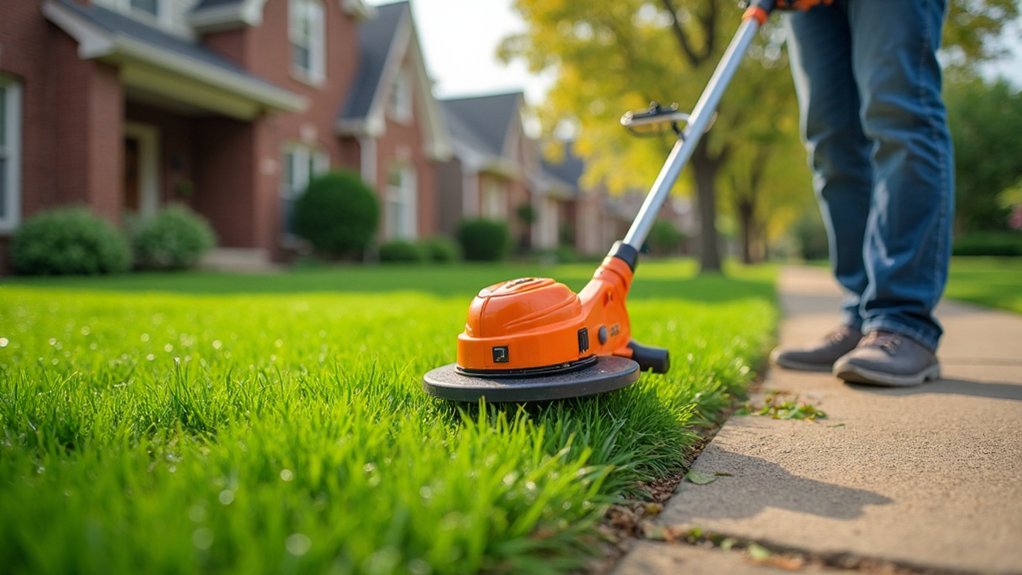
Invest in quality weed trimmers and edgers for crisp property lines. Apply weed killer strategically to target weeds like crabgrass before they establish. Regular equipment maintenance and proper technique create the foundation for a professionally manicured lawn throughout Missouri’s changing seasons.
Frequently Asked Questions
What Is the 1/3 Rule for Lawns?
You shouldn’t cut more than one-third of your grass blade’s height during each cutting interval. This prevents lawn shock, maintains ideal moisture levels, and supports proper clipping disposal methods while keeping your mower maintenance schedule effective.
When to Stop Cutting Grass in Missouri?
You should stop cutting grass when temperatures consistently drop below 50°F, typically mid-to-late November. Adjust mowing frequency based on seasonal changes and grass growth patterns to maintain ideal lawn health through winter months.
What Length Should I Cut My Lawn for Winter?
Like a protective winter coat, you’ll want to cut your cool-season grass to 2.5-3.5 inches for winter. This ideal mowing frequency protects crowns from frost while supporting your winterizing lawn procedures until spring growth resumes.
What Is the Best Height to Cut Grass in Missouri?
You’ll want optimal grass height of 2.5-3.5 inches for cool-season grasses, 1-2 inches for warm-season varieties. Regional climate considerations and seasonal mowing adjustments matter most—follow professional lawn care advice for best results.
Conclusion
The seasons won’t wait for you—winter’s approaching fast, and your lawn’s fate hangs in the balance. You’ve got the tools, you’ve learned the techniques, but will you follow through? That pristine St. Louis lawn you’re dreaming of depends on what you do next. Don’t let another year slip by watching your neighbors’ grass outshine yours. Your mower’s waiting. Your lawn’s counting on you. What’s your next move?